Revealing the Truth Behind Sugar Beet Vs Sugar Cane: Benefits, Utilizes, and Handling Techniques Described
The distinction in between sugar beet and sugar cane is often neglected in conversations concerning sugar production. Each plant offers special benefits and applications in various markets. Their farming techniques and processing techniques also vary significantly. Understanding these nuances is vital for stakeholders in the sugar sector. What ramifications do these differences have for wellness, flavor, and ecological effect? Checking out these facets can disclose deeper insights right into the worldwide sugar market.

Summary of Sugar Beet and Sugar Cane
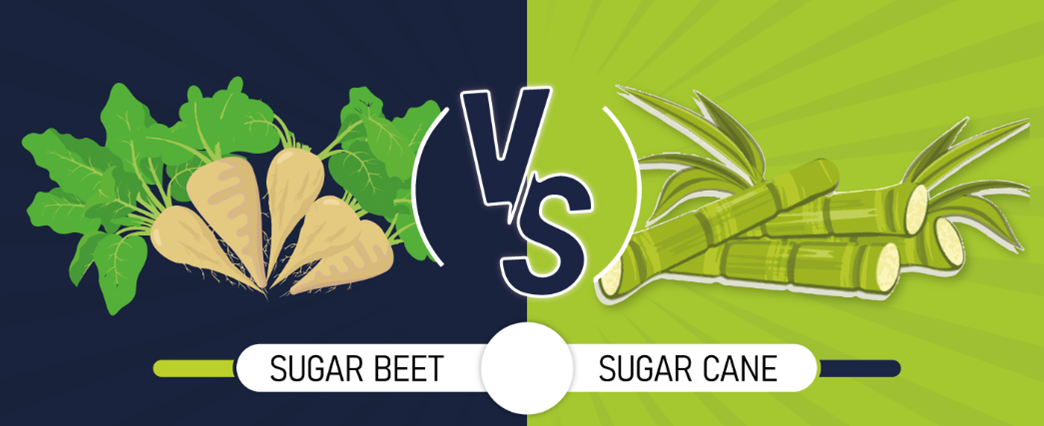
Sugar beet and sugar cane are 2 key sources of sugar, each with distinctive characteristics and growing techniques. Sugar beet, an origin vegetable, grows in warm environments and is usually gathered in the loss. Its high sugar web content, varying from 15% to 20%, makes it an important plant for sugar manufacturing. The procedure involves extracting juice from the beets, which is then fine-tuned into granulated sugar.
In contrast, sugar cane is a tropical turf that thrives in warm, damp settings. It can attain a sugar material of as much as 14%, yet its high, coarse stalks need substantial processing. The cane is squashed to remove juice, which undertakes boiling and condensation to generate sugar. Both sources add considerably to the international sugar supply, with sugar beet generally cultivated in Europe and The United States And Canada, while sugar cane is mainly expanded in Brazil, India, and other exotic regions.
Farming Practices: Sugar Beet vs. Sugar Cane
Farming techniques for sugar beet and sugar cane differ considerably as a result of their unique growing conditions. Sugar beetroots prosper in cooler environments with well-drained soil, while sugar cane prefers warmer temperatures and plentiful dampness. Furthermore, the harvesting strategies employed for each and every crop reflect these environmental requirements and affect general return and quality.
Growing Problems Contrast
While both sugar beet and sugar cane grow in specific environmental problems, their growing practices vary noticeably. Sugar beet is largely grown in pleasant regions, preferring cooler environments with well-drained dirt and moderate rains. It calls for an expanding period of regarding 90 to 120 days, with perfect temperatures in between 15 ° C to 25 ° C. On the other hand, sugar cane flourishes in tropical and subtropical environments, flourishing in cozy temperature levels ranging from 20 ° C to 32 ° C. It needs plentiful sunshine and constant rains, usually requiring watering in drier areas. Sugar cane has a longer growing cycle, normally lasting 12 to 24 months. These distinctions in expanding problems significantly affect the geographical distribution and agricultural methods associated with each crop.
Harvesting Strategies Differences
The harvesting strategies for sugar beet and sugar cane reflect their distinct growth characteristics and agricultural techniques. Sugar beet is generally collected mechanically, with farmers developed to uproot the whole plant, ensuring marginal dirt disturbance. The beetroots are after that transported for processing shortly after harvest to maintain quality. In comparison, sugar cane harvesting usually involves a combination of manual and mechanical methods. Workers might originally cut the cane by hand, especially in regions where mechanization is less feasible. Consequently, specialized equipment is employed to collect and transport the cut stalks to refining facilities. These differing techniques not just influence efficiency yet likewise influence the quality and return of the final sugar items, showcasing the versatility of each crop to its environment.
Nutritional Contrast and Health And Wellness Conveniences
When contrasting the dietary accounts of sugar beet and sugar cane, it comes to be clear that each deals distinctive health benefits. Sugar beetroots are abundant in important nutrients like folate, manganese, and potassium, which add to general health and wellness. They additionally contain fiber, which assists food digestion and might help manage blood sugar level levels. In addition, sugar beets are known for their antioxidant properties, which can fight oxidative stress and anxiety.
On the other hand, sugar cane is primarily made up of sucrose, providing fast power. While it does not have the same degree of vitamins and minerals located in sugar beetroots, sugar cane does include little amounts of B minerals and vitamins such as calcium and magnesium. Sugar cane juice is commonly proclaimed for its hydrating homes and possible health benefits, including enhanced gastrointestinal health and wellness. Inevitably, the choice between sugar beet and sugar cane might depend on individual wellness more tips here objectives and nutritional preferences.
Taste Profiles and Culinary Utilizes
Taste accounts of sugar beet and sugar cane vary considerably, affecting their cooking applications (Sugar beet vs sugar cane). Sugar cane, with its normally sweet and intricate taste, is often favored in beverages, treats, and numerous culinary dishes. It lends a rich, caramel-like note that improves the taste of things such as syrups, molasses, and rum. In comparison, sugar beet has a more neutral and much less aromatic preference, making it suitable for applications where sweet taste is preferred without changing the meal's intrinsic flavors. It is often used in refined foods, baked items, and sugar
Culinary professionals frequently select sugar cane for its deepness and richness, particularly in gourmet cooking and craft beverages. On the other hand, sugar beet's flexibility as a sweetener in mass-produced items caters to a wider market. Inevitably, the choice in between these 2 sugars can significantly impact flavor profiles and general culinary experiences.
Environmental Influence of Sugar Manufacturing
Sugar production, whether from sugar beet or sugar cane, lugs substantial environmental implications. Sugar cane growing commonly causes deforestation, especially in tropical areas, interrupting neighborhood communities and adding to biodiversity loss. The substantial use of fertilizers and chemicals in both sugar beet and sugar cane farming read what he said can lead to dirt destruction and water air pollution, impacting surrounding habitats and neighborhoods. In addition, the high water intake needed for sugar cane irrigation poses a danger to local water supplies, especially in deserts.
On the other hand, sugar beet farming usually takes place in temperate climates, which might alleviate some logging problems. Nonetheless, it is not without its very own obstacles, consisting of soil erosion and dependence on chemical inputs. In general, the ecological effect of sugar manufacturing is diverse, necessitating lasting farming practices and recognition of source management to reduce damage to ecosystems and advertise environmental health.
Processing Techniques: From Plant to Sugar
Many handling techniques are used to change sugar beet and sugar cane right into granulated sugar, each method showing the distinct features of the resource plant. For sugar beetroots, the process begins with washing and cutting the origins into thin strips, which are after that based on diffusion-- a method where warm water essences sugar from the beet slices. The resulting liquid is detoxified, concentrated, and taken shape.
On the other hand, sugar cane processing entails crushing the stalks to remove juice, followed by clarification to get rid of contaminations. The juice is then vaporized, leading to syrup that undertakes crystallization. Both processes are complied with by separation of the sugar crystals from the molasses, which is a result. The final stages include drying out and packaging the granulated sugar for circulation. These methods highlight the distinctive paths through which these two plants yield sugar, each with its own set of challenges and performances.
Financial Facets of Sugar Beet and Sugar Cane Industries
The financial landscape of the sugar beet and sugar cane sectors exposes noteworthy distinctions in production costs, market characteristics, and local influences. Sugar beet, mainly grown in temperate climates, commonly incurs higher manufacturing costs due to labor and input expenditures. On the other hand, sugar cane thrives in exotic regions, usually you could check here gaining from lower labor prices and beneficial weather problems, which can cause greater returns.
Market characteristics additionally vary, as sugar cane controls global manufacturing, making up about 80% of sugar result. This occurrence influences prices frameworks and profession circulations. On the other hand, sugar beet is more regionally concentrated, especially in Europe and The United States and Canada, influencing local economic climates reliant on beet production.
Additionally, variations in international sugar prices can considerably affect both industries, affecting farmer revenue and investment levels. Recognizing these financial aspects is vital for stakeholders intending to browse the complexities of the sugar market efficiently.
Often Asked Concerns

Can Sugar Beet and Sugar Cane Be Intercropped Effectively?
Intercropping sugar beet and sugar cane offers obstacles due to varying growth requirements and ecological requirements. Nonetheless, with careful monitoring and suitable conditions, it might produce advantages such as enhanced dirt wellness and resource performance.
What Are the Historical Origins of Sugar Beet and Sugar Cane?
The historical beginnings of sugar beet trace back to 18th century Europe, while sugar cane has roots in Southeast Asia, cultivated for countless years. Both plants have actually substantially affected international sugar production and agriculture.
Just How Do Sugar Beet and Sugar Cane Affect Soil Health And Wellness?
The effects of sugar beet and sugar cane on soil wellness differ. Sugar beet can improve dirt structure and nutrient content, while sugar cane might diminish nutrients otherwise taken care of effectively, impacting lasting dirt fertility.
Exist Any Emerging Technologies in Sugar Production?
Arising modern technologies in sugar manufacturing consist of accuracy farming, progressed genetic modification for greater returns, and innovative extraction methods. These innovations aim to enhance effectiveness, lower environmental effect, and boost the general sustainability of sugar manufacturing procedures.
What Are the Trick Differences in Labor Requirements for Both Plants?
The crucial distinctions in labor needs for sugar beet and sugar cane lie in planting, harvesting, and processing. Sugar beet vs sugar cane. Sugar beet usually demands more automation, while sugar cane commonly calls for much more hand-operated labor for gathering and processing stages
Comments on “How green is Sugar beet vs sugar cane farming?”